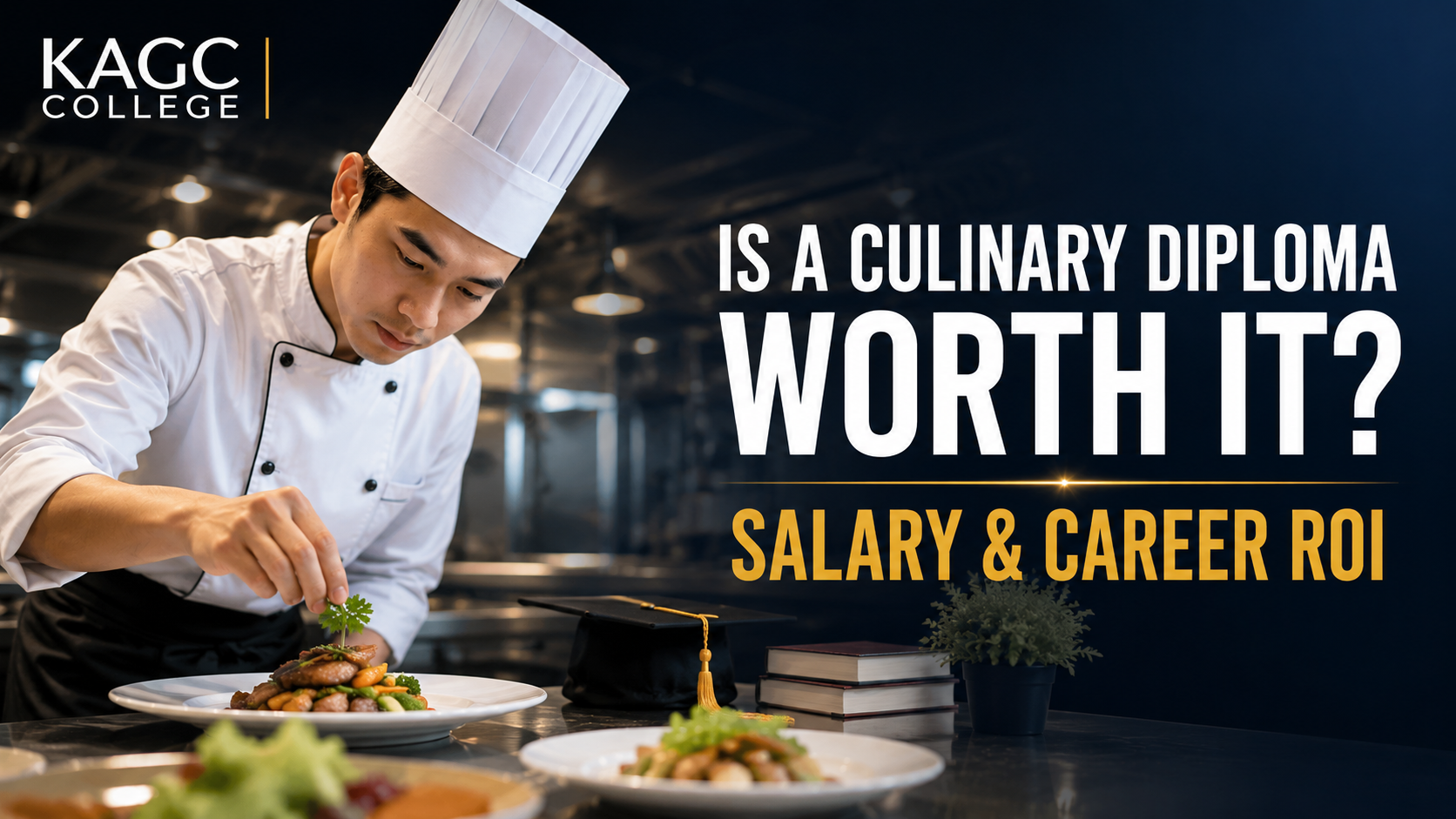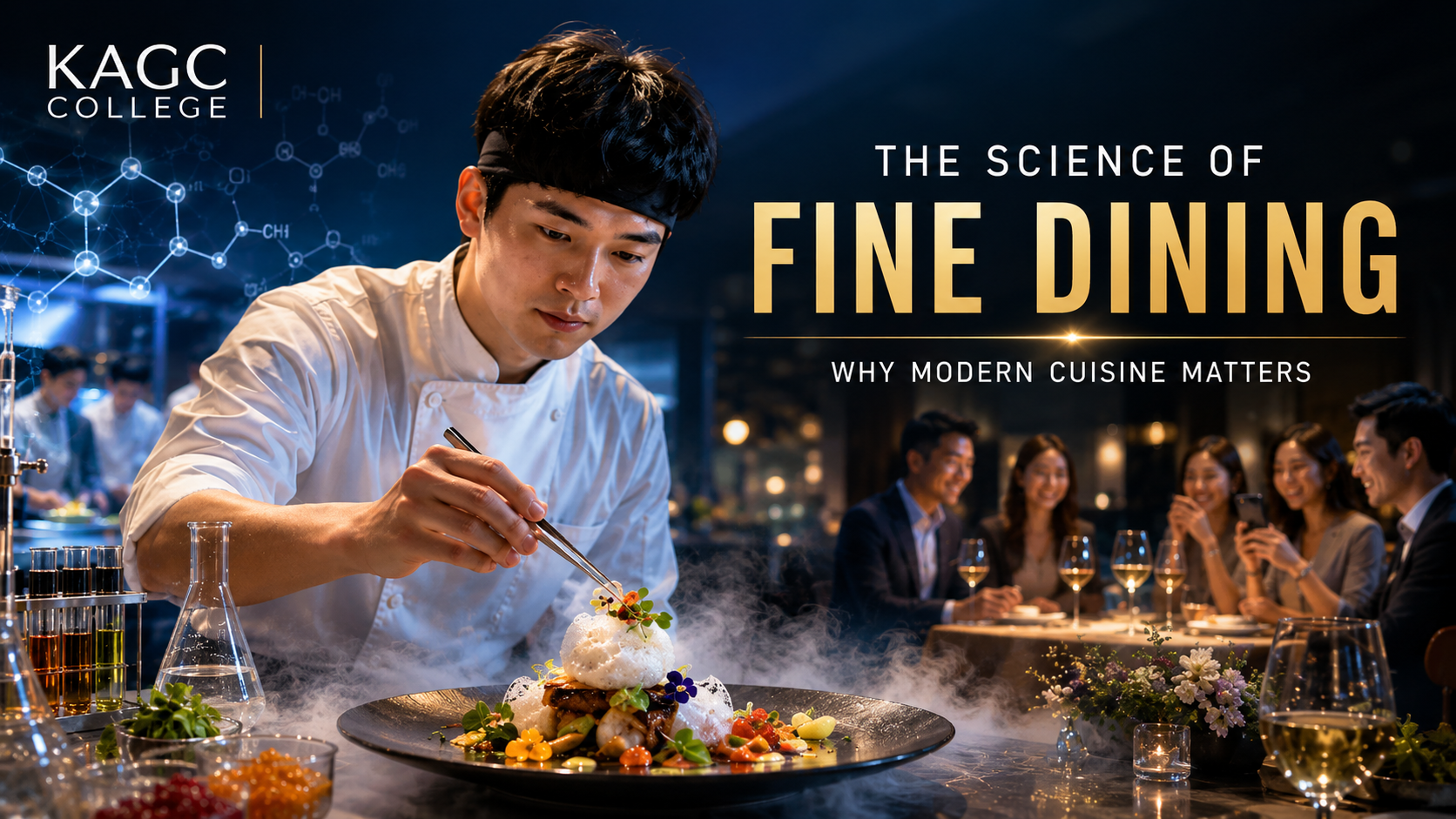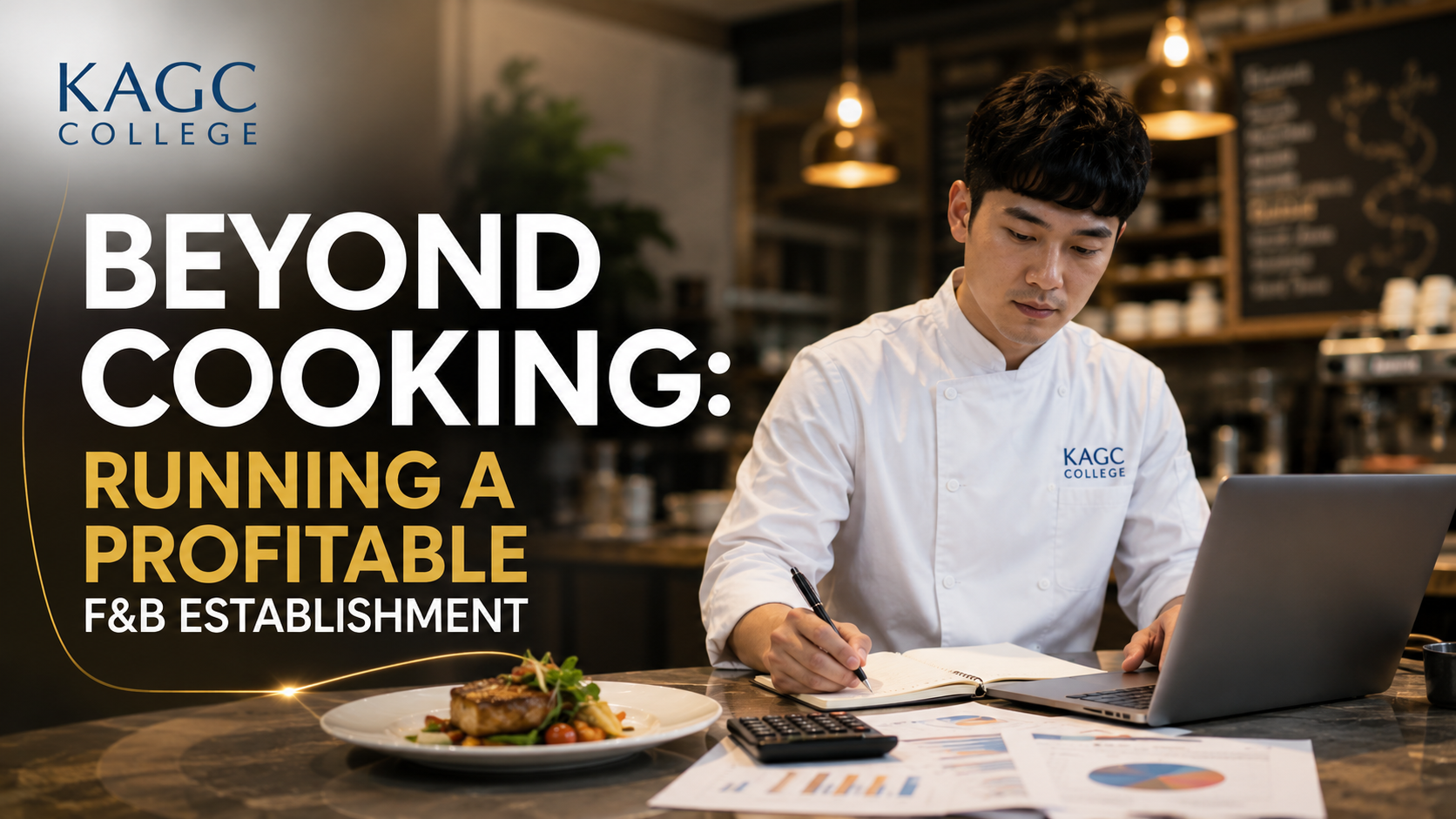


Is a Culinary Diploma Worth It? Salary Growth, Career Opportunities & ROI Explained
Beyond the RM1,800 Starting Salary: Why the Real Value of Culinary Education Appears Years Later.
When students and parents evaluate career options after SPM, one question frequently arises:
“Is a Culinary Diploma really worth the investment?”
It is a fair question.
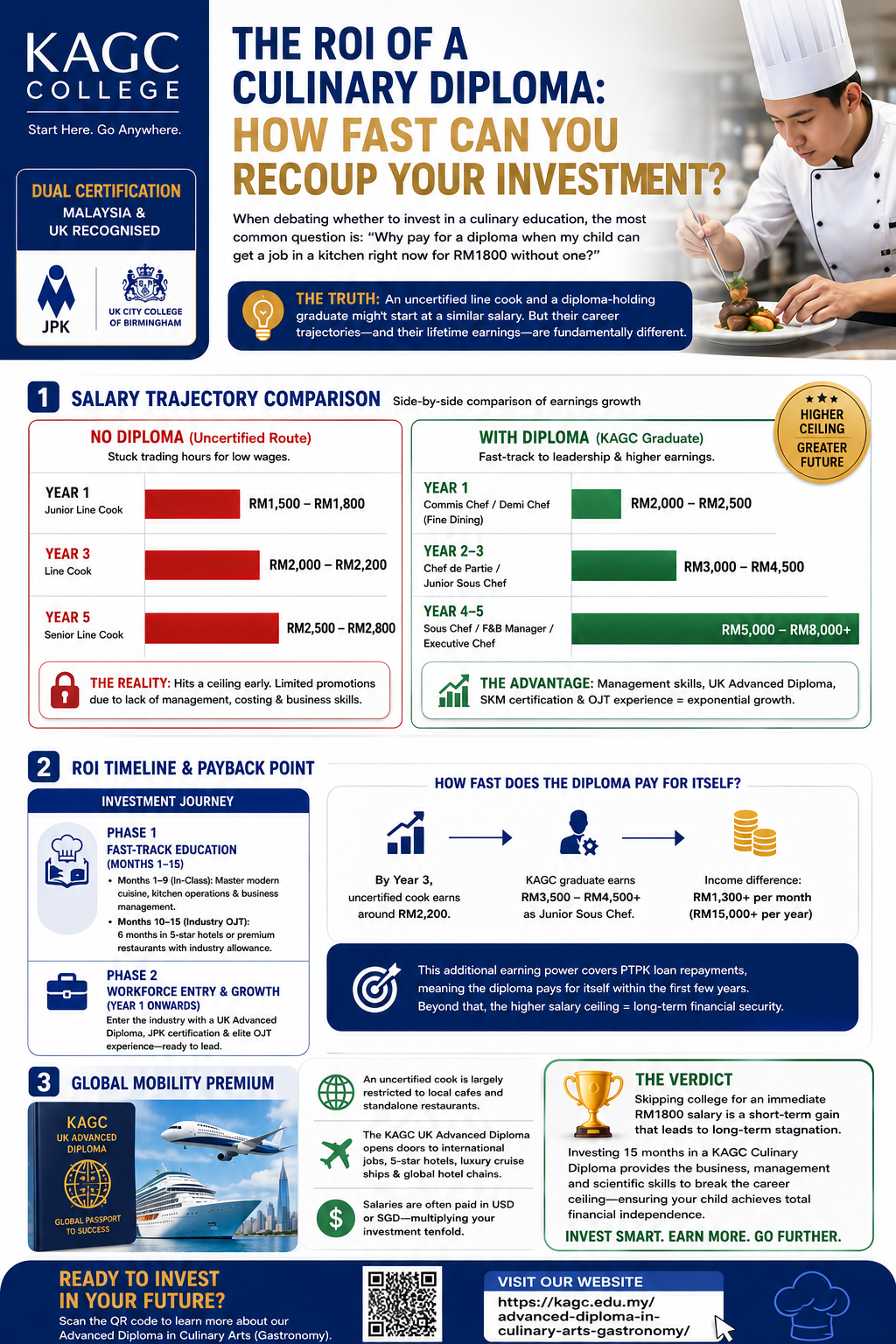
After all, many entry-level kitchen positions in Malaysia offer starting salaries that are relatively similar regardless of whether a person enters the workforce immediately or pursues formal culinary education. Some parents naturally wonder whether spending time and money on a culinary qualification provides a meaningful return.
The answer lies not in where a culinary professional starts, but in how quickly they progress.
The culinary industry is one of the few professions where practical skills, leadership ability, business knowledge, and industry exposure combine to determine long-term success. While many individuals can secure entry-level kitchen jobs, significantly fewer develop the competencies required to manage kitchens, lead culinary teams, control costs, and oversee profitable food operations.
This distinction often determines whether a person remains in operational roles for years or advances into management and leadership positions.
Why Starting Salary Tells Only Part of the Story
A common misconception is that career decisions should be based solely on the first salary earned after graduation.
In reality, employers hire entry-level staff based on their ability to perform basic operational tasks. However, promotions are awarded based on a completely different set of skills.
As culinary professionals progress through their careers, employers increasingly evaluate their ability to:
- Manage kitchen operations
- Lead and train teams
- Control food costs
- Reduce wastage
- Develop menus
- Manage inventory and procurement
- Maintain quality standards
- Improve profitability
These competencies become increasingly important at supervisory and management levels.
The result is that two individuals who begin their careers at a similar salary can experience dramatically different career trajectories over the next five to ten years.
The Career Progression Difference
Many uncertified kitchen workers begin their careers as kitchen assistants, prep cooks, or line cooks.
Without structured training, progression often depends solely on years of experience, resulting in slower career advancement.
Graduates from a structured culinary diploma programme typically enter the workforce with broader competencies that extend beyond cooking techniques. They possess exposure to:
- Professional kitchen operations
- Food safety systems
- Menu planning
- Cost control
- Inventory management
- Hospitality operations
- Culinary innovation
- Leadership fundamentals
These additional capabilities make them stronger candidates for promotion into positions such as:
Entry-Level Positions
- Commis Chef
- Demi Chef
- Junior Pastry Chef
- Kitchen Assistant
Mid-Level Positions
- Chef de Partie
- Senior Chef de Partie
- Sous Chef
- Kitchen Supervisor
Senior Positions
- Executive Sous Chef
- Executive Chef
- Culinary Operations Manager
- F&B Manager
The difference is not simply a higher title—it is access to significantly greater earning potential and career mobility.
Understanding the Real ROI of Culinary Education
Return on Investment (ROI) is often associated with finance, but it is equally important when evaluating education.
When assessing the ROI of a culinary diploma, students should consider several factors:
1. Faster Career Progression
A qualification can shorten the time required to reach supervisory and management positions.
Instead of spending years learning through trial and error, graduates enter the industry with foundational knowledge already in place.
2. Higher Lifetime Earnings
A modest salary difference early in a career can compound significantly over time.
An individual who reaches management positions several years earlier can potentially earn hundreds of thousands of Ringgit more over the course of their career than someone who remains in operational roles.
3. Access to Premium Employers
Luxury hotels, international hospitality groups, fine-dining restaurants, cruise lines, and resort operators often prefer candidates with recognised qualifications.
A diploma can therefore expand employment opportunities that may not otherwise be accessible.
4. Global Mobility
The hospitality industry is inherently international.
Recognised qualifications can strengthen applications for overseas employment opportunities in destinations such as:
- Singapore
- Australia
- New Zealand
- United Kingdom
- Dubai
- Maldives
- International cruise ships
For many graduates, international employment can significantly increase earning potential while providing valuable global experience.
Why Modern Culinary Education Is About More Than Cooking
Many people assume culinary programmes focus exclusively on food preparation.
In reality, today’s hospitality industry requires culinary professionals who understand both food production and business operations.
Modern culinary education increasingly incorporates:
Culinary Skills
- Classical cooking techniques
- International cuisine
- Bakery and pastry fundamentals
- Food presentation
- Modern gastronomy
Business & Management Skills
- Food costing
- Menu engineering
- Inventory control
- Purchasing and procurement
- Workforce management
- Customer experience management
Industry Skills
- Workplace professionalism
- Team communication
- Leadership development
- Problem-solving
- Operational efficiency
These competencies help graduates move beyond simply preparing food and position them for future leadership roles.
The Industry Outlook for Culinary Professionals
Malaysia’s hospitality and tourism sectors continue to create demand for skilled culinary professionals.
Growth in tourism, hotels, restaurants, resorts, cafes, food delivery businesses, and hospitality investments has increased the need for trained talent across multiple sectors.
Employers are increasingly seeking individuals who can contribute beyond basic kitchen operations.
They need professionals who understand:
- Quality assurance
- Kitchen productivity
- Cost management
- Culinary innovation
- Team leadership
As a result, qualifications that combine practical training with business and management competencies have become increasingly valuable.
When a Culinary Diploma Makes Sense
A culinary diploma may be a worthwhile investment if you:
✓ Want to accelerate your career progression
✓ Aspire to become an Executive Chef or culinary leader
✓ Plan to work in luxury hotels or premium restaurants
✓ Want opportunities to work overseas
✓ Intend to start your own food business in the future
✓ Prefer structured learning rather than relying solely on workplace experience
✓ Want industry-recognised qualifications to strengthen employability
For individuals with long-term ambitions in the hospitality industry, education often serves as a catalyst that helps transform passion into a sustainable profession.
The Bigger Question Isn’t the Cost—It’s the Opportunity
Many students focus on the cost of education.
Few calculate the cost of delayed career progression.
The real question is not:
“How much does a culinary diploma cost?”
The more important question is:
“How much could delayed promotions, slower salary growth, and missed career opportunities cost over the next ten years?”
When viewed from this perspective, a culinary diploma becomes more than an educational expense.
It becomes an investment in future earning potential, career mobility, leadership development, and professional growth.
Build Your Future with KAGC College’s Advanced Diploma in Culinary Arts & Gastronomy
KAGC College’s Advanced Diploma in Culinary Arts & Gastronomy is designed to prepare learners for both culinary excellence and career advancement.
The programme combines:
- UK Advanced Diploma qualification
- Malaysian Skills Certification (SKM)
- Intensive practical culinary training
- Modern gastronomy exposure
- F&B business management skills
- Industry-based On-the-Job Training (OJT)
Graduates develop the technical, operational, and leadership competencies required to thrive in Malaysia’s evolving hospitality industry and beyond.
Whether your goal is to become an Executive Chef, manage a commercial kitchen, launch your own food business, or pursue international opportunities, the right education can help shorten the journey and expand your possibilities.
Frequently Asked Questions (FAQ)
Is a Culinary Diploma worth it in Malaysia?
For individuals seeking long-term career growth, leadership opportunities, and higher earning potential within the hospitality industry, a culinary diploma can provide valuable skills, qualifications, and industry exposure that support faster career progression.
Can I become a chef without a diploma?
Yes. Many chefs begin their careers without formal qualifications. However, career advancement may depend heavily on workplace experience and can take longer compared to individuals who possess structured culinary and management training.
What jobs can I get with a Culinary Arts Diploma?
Graduates may pursue careers such as Commis Chef, Chef de Partie, Sous Chef, Pastry Chef, Executive Chef, Kitchen Manager, Culinary Instructor, or F&B Operations Executive.
Does a Culinary Diploma help with overseas employment?
A recognised qualification can strengthen applications for international hospitality positions, particularly when combined with relevant work experience and practical training.
What is the difference between a cook and a chef?
A cook primarily focuses on food preparation and execution. A chef is responsible for broader operational responsibilities, including menu planning, team leadership, food costing, quality control, and kitchen management.
Explore More Culinary Arts & Gastronomy Resources
Interested in learning more about the profession?